

No. FetalPlus is intended for personal at-home use only and is not a substitute for professional medical care, emergency assessment, or routine prenatal appointments. If you have any concerns about your pregnancy, contact your healthcare provider immediately.
A Simple Way to Check In at Home During Early Pregnancy
FetalPlus is designed for personal at-home use during pregnancy, giving you a simple way to check in between appointments from the comfort of home. With a sensitive 3.0 MHz probe, clear audio, and an easy-to-read display, it helps support a more connected experience throughout pregnancy.
Easy at-home use during pregnancy
FDA cleared. Trusted by professionals. Non-invasive design.
Convenient at-home use between appointments
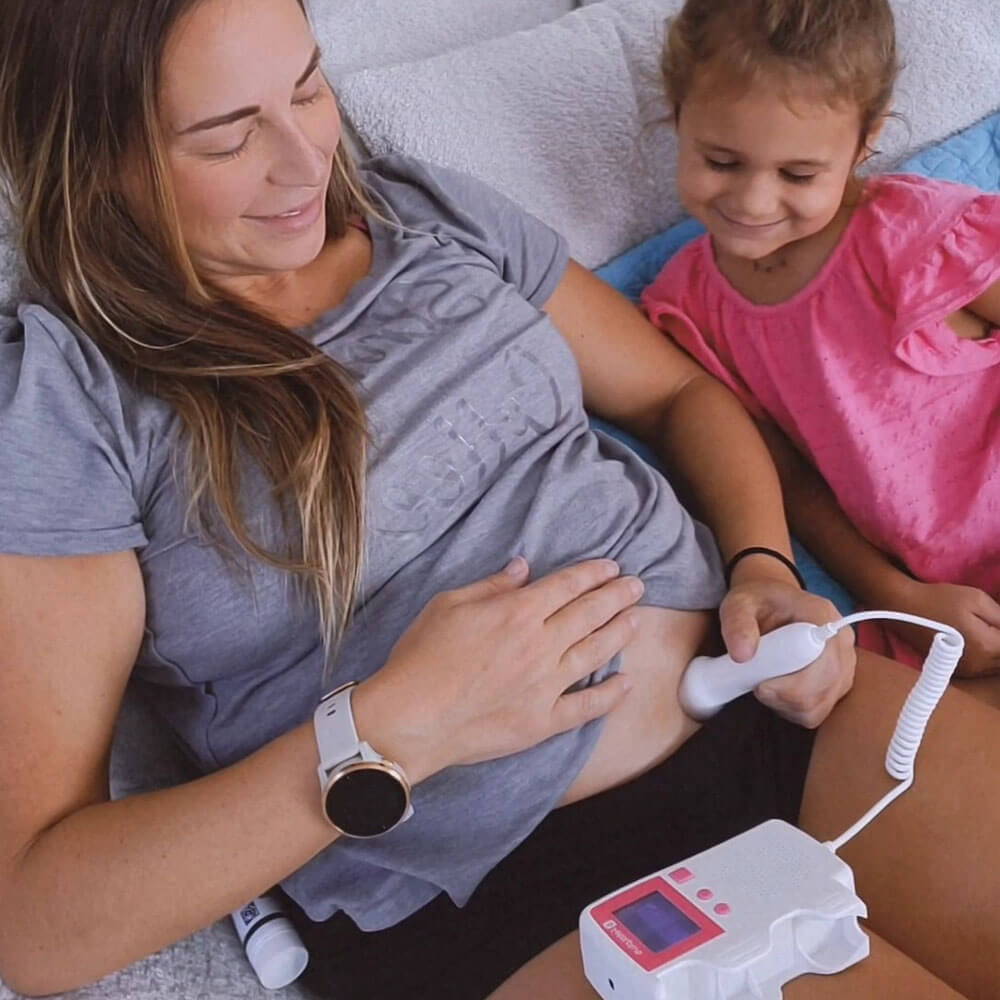
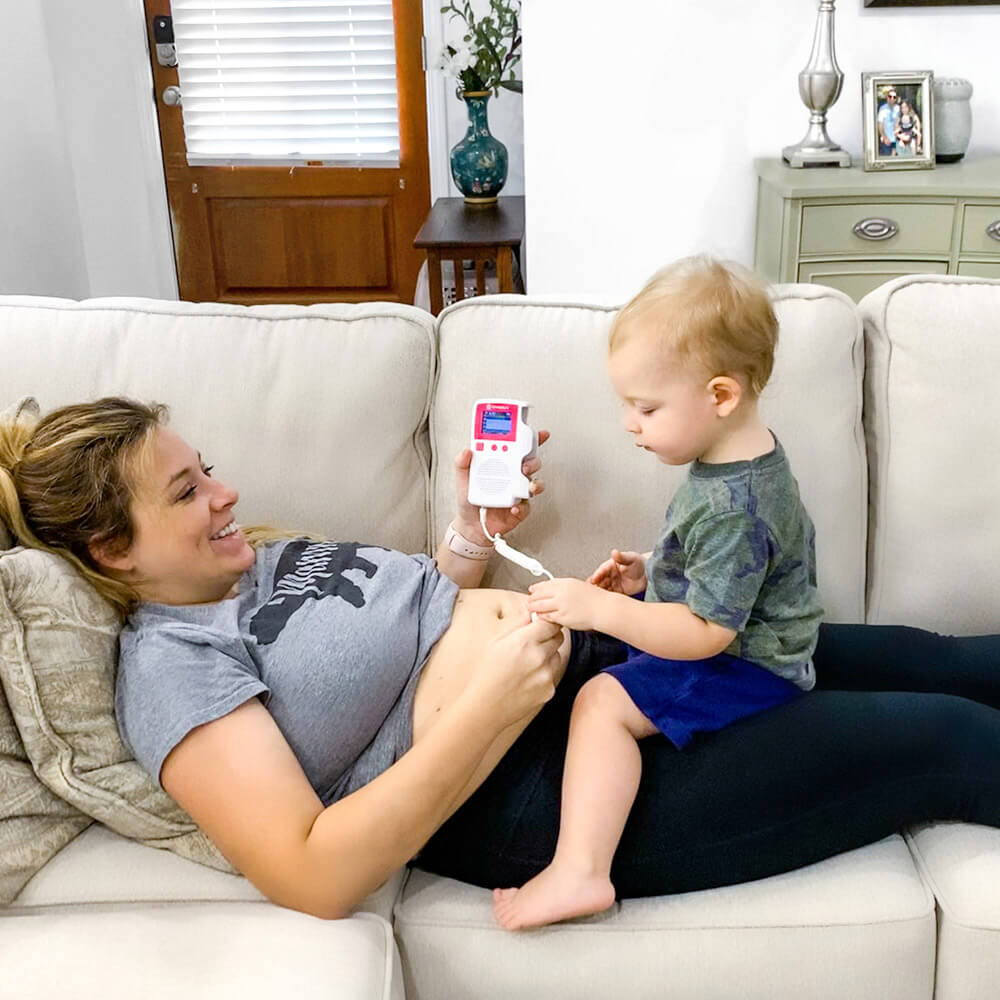

What Moms Love About Us
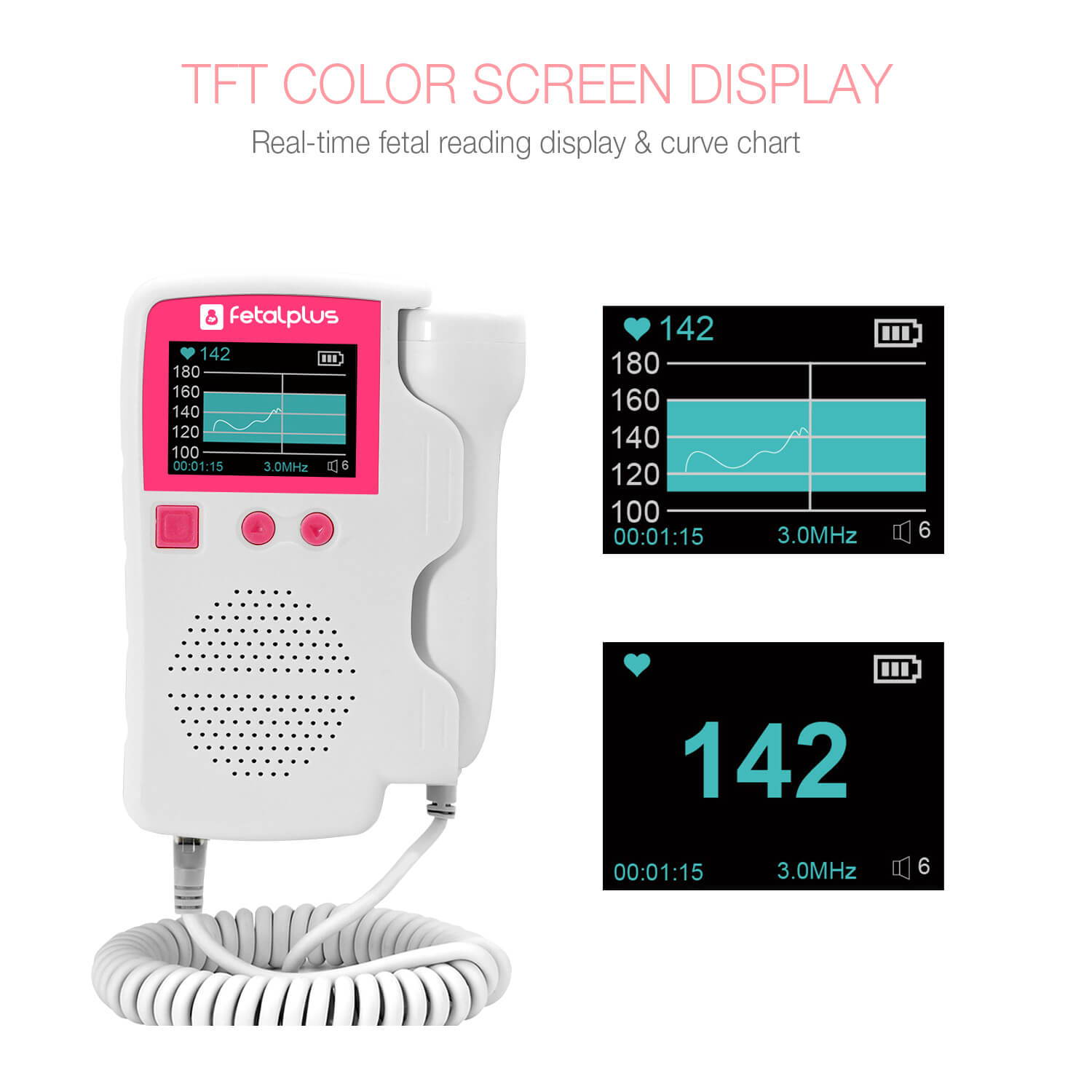
TFT Color Screen with 2 Modes
The TFT color screen ensures superior picture quality even at night. Enjoy two built-in modes: real-time BPM display, and the curve chart which shows the BPM changes over a period of time.
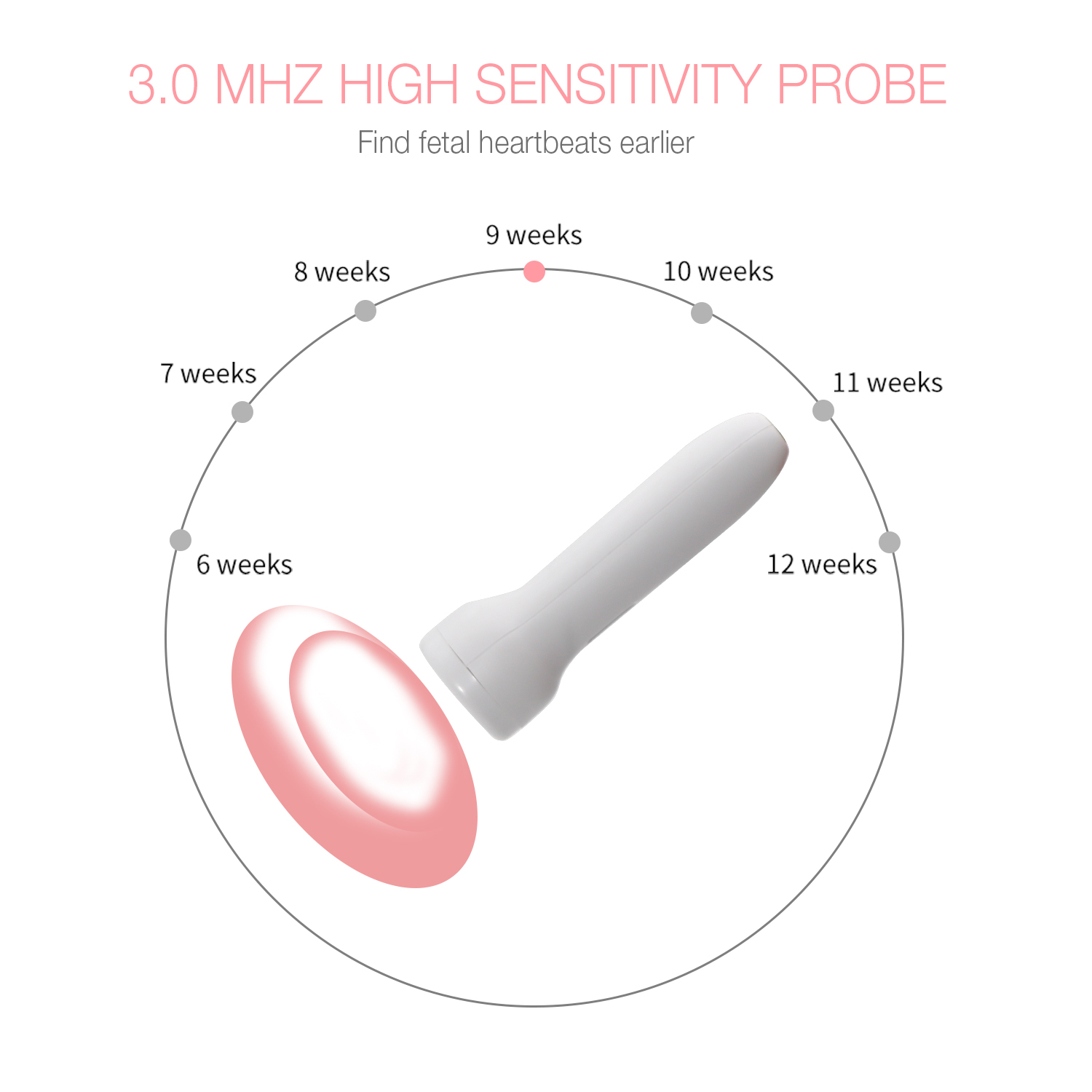
Sensitive 3.0 MHz Probe for Earlier Use
The 3.0 MHz wide-beam probe is designed to support use from earlier stages of pregnancy compared with many standard at-home dopplers.
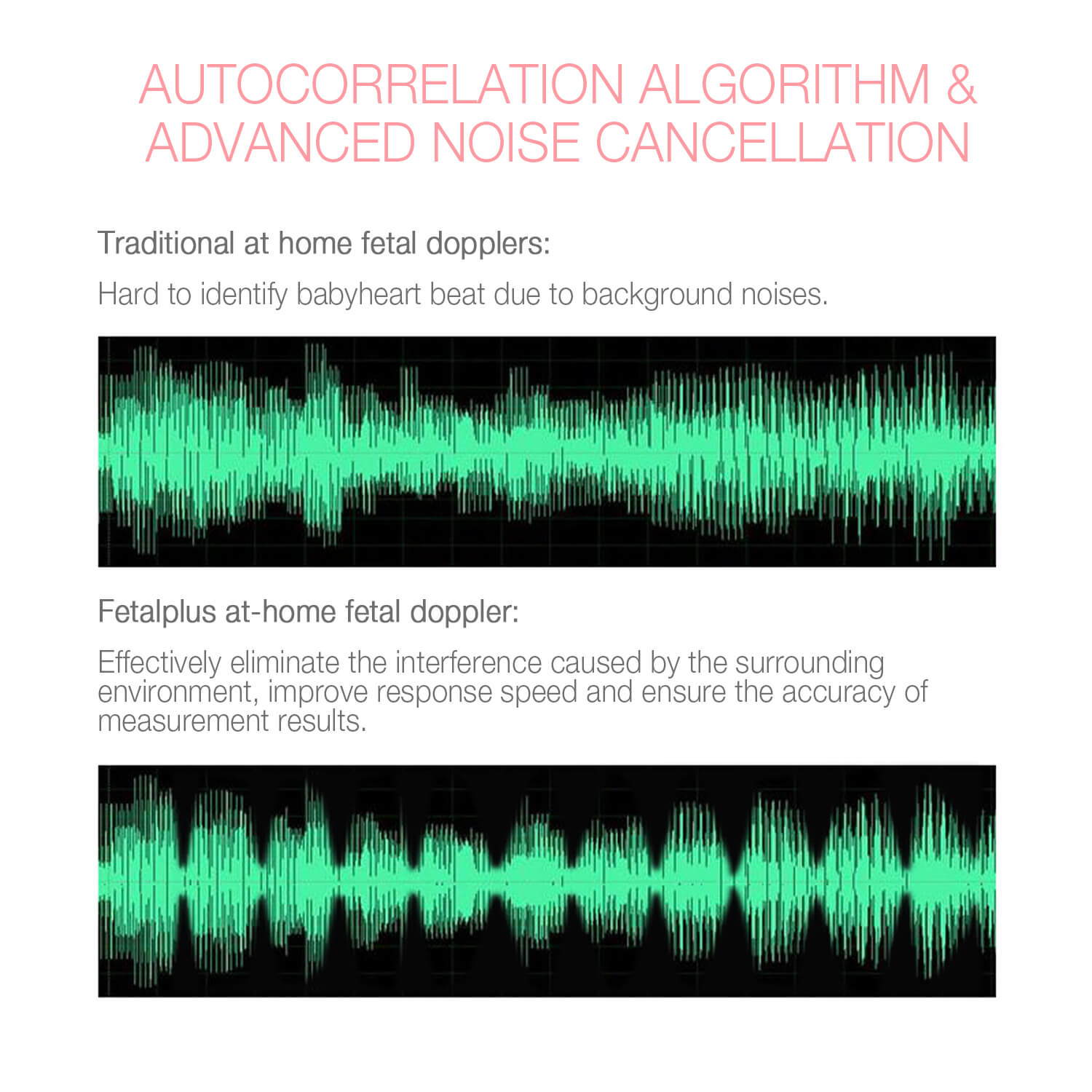
Advanced Noise Cancellation
Intelligent noise cancellation helps reduce background interference for clearer sound and a more stable listening experience.
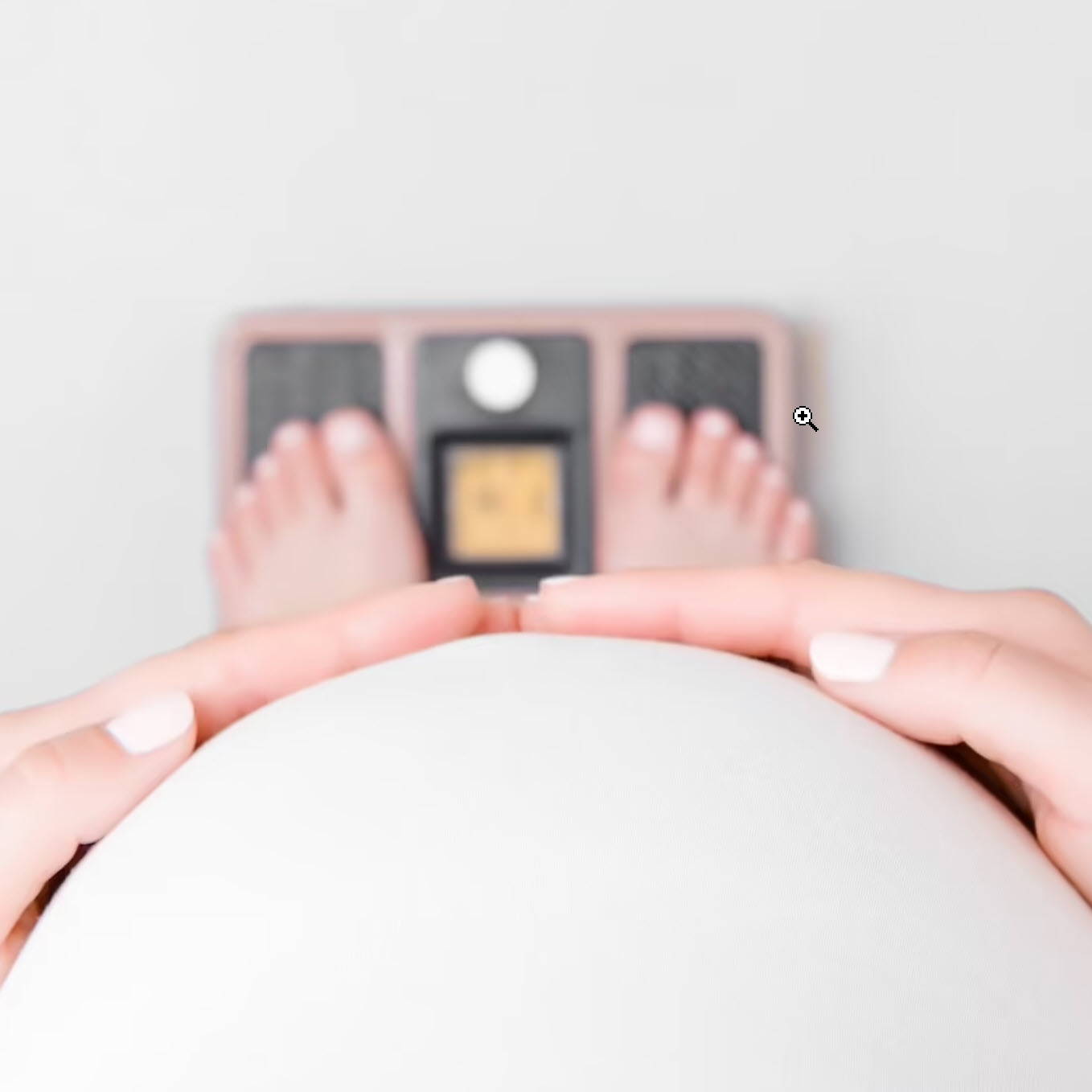
Higher BMI? Not a Problem
With advanced multi-sensor technology and highly sensitive 3Mhz probe, the FetalPlus can pick up fetal heartbeats for moms with a higher BMI. Don't let your weight get in the way of bonding with your baby.

FDA Cleared & Trusted by professionals
The FetalPlus At-home Fetal Doppler has obtained FDA clearance. The Fetalplus does not have any radiation. Nor does it generate any heat. If you have any concerns about your pregnancy, always consult your healthcare provider.
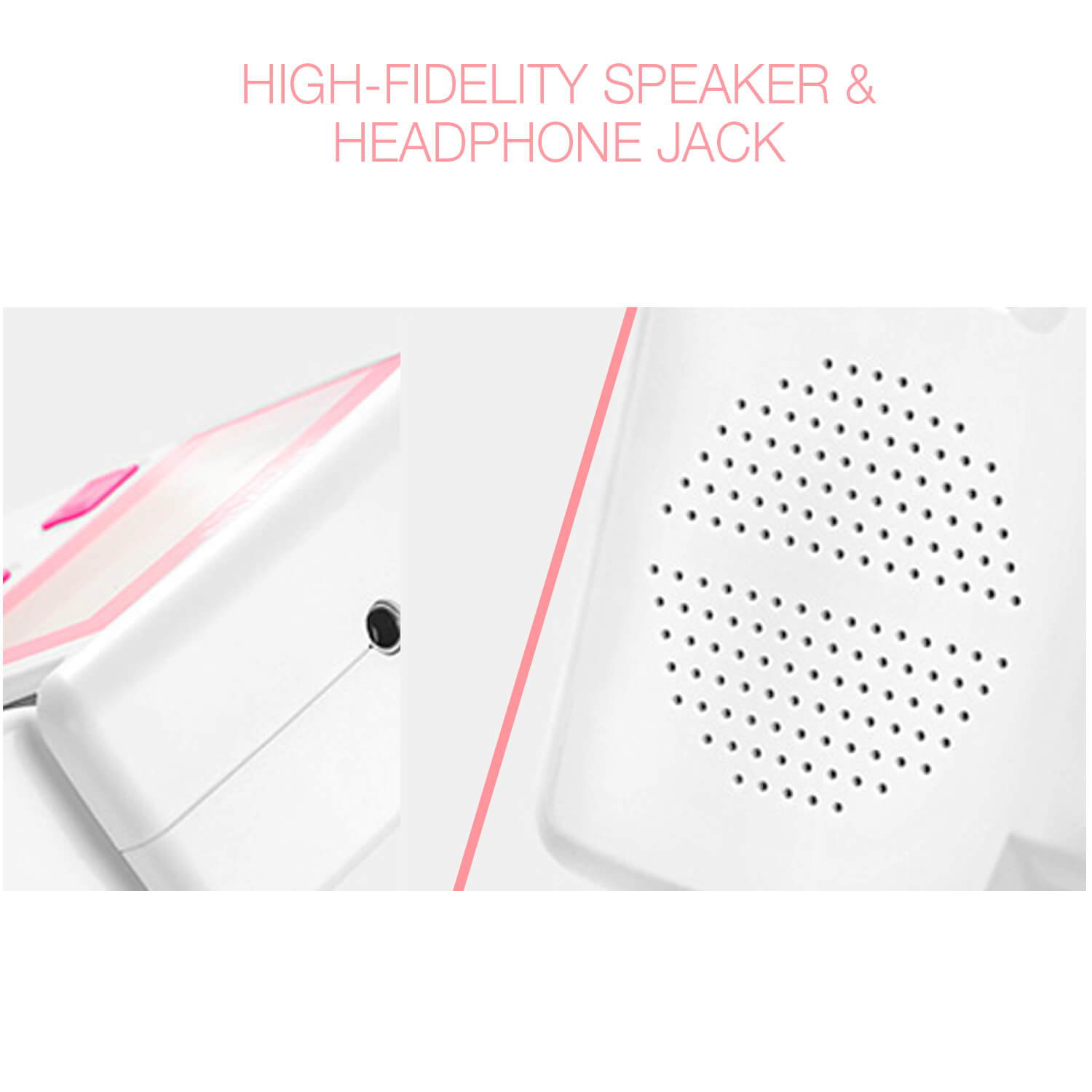
High-Fidelity Speaker & Headphone Jack
You can either share the sound of angels with people around you with the built-in speaker, or connect your headphones for a private moment so that you can enjoy the connection between only you and your little one.
The Clear At-Home Choice During Pregnancy
FetalPlus At-home Fetal Doppler
Other Fetal Dopplers
Earliest Detection Week
Designed to support use during the first trimester
12 to 16 weeks
Coupling Gel Standard
Medical-grade ultrasound gel (Australia supply)
Generic / Unspecified gel
Audio Quality
Advanced noise cancellation & stable audio
Fluctuate with movement
Performance Across BMI Ranges
Stable detection across BMI ranges
Less consistent at higher BMI
Probe Technology
3.0 MHz wide-beam probe for enhanced sensitivity
Narrow-beam or standard probe
Dedicated Customer Support

some
Important Information for Use: FetalPlus At-home Fetal Doppler is designed to support general awareness and connection during pregnancy and should not be relied upon for medical decision-making.
It may not always be possible to identify a fetal heartbeat, particularly in early pregnancy. Results can vary depending on gestational stage, positioning, and individual factors.
Incorrect interpretation of sounds may occur. If you have any concerns about your pregnancy, reduced movements, or your baby’s well-being, seek immediate medical advice from a qualified healthcare professional.
Real FetalPlus Moms. Real Experiences
Frequently Bought Together
Use Your FetalPlus in 3 Easy Steps
Step 1
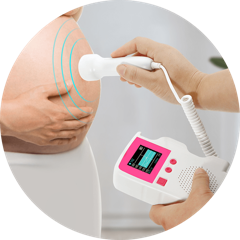
- Connect the probe to the main device
- Turn the device on
- Use generous amount of gel to reduce static

Step 2
Move the probe slowly until a clear rhythmic sound is identified through the speaker or headphones. Once a signal is picked up, allow a few seconds for the display to settle. Results may vary depending on the stage of pregnancy and individual factors.
Step 3
Listen to the fetal heartbeats.
and share every exciting event.
A typical fetal heart rate is between 120 and 160 beats per minute (BPM).
Fetal Heart Position Reference Map
Fetal Heart Position Reference
Early Stage
(before 20 weeks)
5 points right below the navel or nearby
Medium Stage
(24-32 weeks)
4 points on the right/left sides of the navel or on
the right/left sides below the navel
*As the fetus grows, the fetal heartposition moves upward gradually
Late Stage
(32-40 weeks)
4 points on the right/left sides of the navel or on
the right/left sides below the navel
*Fetal heart is generally on the left if the fetal movement feels on the right side and vice versa.
Best Times to Listen to Your Little One

30 Minutes After Waking Up
First thing in the morning and before
you use the bathroom.

30 Minutes After Lunch
Babies are generally active after meals. Get yourself into a comfortable position after lunch and give a try.

30 Minutes Before Sleep
Babies are likely to be in a stable position at this time, which means fetal heartbeats are easier to locate.
Frequently Asked Questions
Here are some of the most commonly asked questions about our fetal dopplers. Don't forget, you can always reach out to our friendly staff via the live chat window or emails if you have any questions or concerns.
Can the FetalPlus replace professional medical care?
Where do you ship from?
FetalPlus has local warehouses in the US, UK, Canada and Australia, so your order ships out quickly and gets to you fast.
How do fetal dopplers work?
At-home fetal dopplers are designed to be simple to use and understand. They use ultrasound technology to help identify sounds within the abdomen during pregnancy.
The device sends high-frequency sound waves into the body through the handheld probe. When these sound waves encounter movement, they are reflected back to the device and converted into audible sound through the speaker or headphones.
In some cases, this may include fetal heart sounds, depending on factors such as the stage of pregnancy, positioning, and individual differences. It’s important to note that it may not always be possible to identify a heartbeat, especially in earlier stages.
Is the FetalPlus at-home fetal doppler safe to use?
The FetalPlus at-home fetal doppler is designed for personal, non-invasive use during pregnancy. It uses ultrasound technology similar to what is commonly used in clinical settings.
FetalPlus has obtained FDA clearance (K180419) and is designed to be used in accordance with the provided instructions.
As with any at-home device, it should be used appropriately and in moderation. It is not intended to replace professional medical care, diagnosis, or monitoring. If you have any concerns about your pregnancy or your baby's well-being, you should consult your healthcare provider.
Why choose the FetalPlus?
FetalPlus is designed to provide a simple and user-friendly at-home experience during pregnancy, with a focus on ease of use, sound clarity, and overall value.
Its sensitive 3.0 MHz probe and multi-sensor design are built to support use from earlier stages of pregnancy compared to many standard at-home dopplers, depending on individual factors.
FetalPlus has obtained FDA clearance and features a non-invasive design. With clear audio output and an easy setup process, it offers a dependable option for parents looking for an at-home solution.
How do you use the FetalPlus?
STEP 1
Place the 2 x AA Batteries inside FetalPlus at-home fetal doppler.
Connect the doppler probe wire to the main device.
Lie down comfortably with your back down on a flat surface.
Expose your abdomen like you would during a regular ultrasound.
Using the FetalPlus while you have a full bladder can make the heart-beat easier to hear.
STEP 2
Switch on the device from the power button
Use the doppler probe to move around your lower belly until you find a strong sound of your babyʼs heartbeat.
Since the gel will reduce static, use a generous amount.
STEP 3
Starting from your pubic bone, gently glide the probe upwards towards your belly button. Slowly rock the probe, covering every part of your stomach so that you find the heartbeat.
If after a few minutes you cannot find your baby, shut the device off and try another time. You may need to wait for the baby to grow bigger or switch posi-tions.
You can read the heart rate at the display monitor with the heartbeat sound.
You can increase/ decrease the volume from the volume controller.
You can also switch between the BPM reading mode to the curve chart mode.
STEP 4
After you've finished, clean off the probe to avoid any build-up.
You may choose to wipe it with 70% ethanol and then let it air dry or simply wipe it with a clean, dry cloth.
Do not submerge the device in water (except waterproof models) or apply cleaning chemicals.
What should the fetal heart rate typically be?
A typical fetal heart rate is often described as being between 120 and 160 beats per minute (BPM), although this can vary depending on gestational stage, movement, and individual factors.
If you have any concerns about your baby’s heart rate or overall well-being, it's always best to consult your healthcare provider.
When can I start using the FetalPlus?
FetalPlus is designed for personal at-home use during pregnancy and may support use from earlier stages compared to many standard at-home dopplers, depending on individual factors.
In some cases, users may be able to identify heart sounds during the first trimester, although results can vary. More consistent results are often experienced later in pregnancy.
Is the fetal doppler measurement reliable?
At-home fetal dopplers are intended to provide an audible listening experience rather than a precise medical measurement.
FetalPlus is designed to offer clear sound and a stable user experience when used correctly. However, results may vary depending on factors such as stage of pregnancy, positioning, baby movement, and surrounding conditions.
For this reason, it should not be relied upon for medical assessment or decision-making. If you have any concerns about your baby's well-being, please consult your healthcare provider.
Why might I not always be able to find a heartbeat?
It may not always be possible to identify a heartbeat, especially in earlier stages of pregnancy. Results can vary based on gestational stage, positioning, and individual factors.
Is the FetalPlus at-home fetal doppler safe to use as much as I want, like every day or multiple times a day?
FetalPlus is designed for personal, non-invasive use at home during pregnancy and can be used regularly when used as directed.
That said, at-home devices are best used in moderation rather than excessively. Frequency of use may vary depending on personal preference and stage of pregnancy.
It’s important to remember that this device is not a substitute for professional medical care. If you have any concerns about your baby's wellbeing, you should consult your healthcare provider.
Not able to pick up a heartbeat? Troubleshooting and best practices
To improve the chances of detecting the fetal heartbeat, it is best to search for the heartbeat at the lower part of the belly and move the probe slowly. The fetal heartbeat is usually quite faint in the early stages, so it is important to be patient and try at different times of the day as the heart position changes with the movement of the baby.
If you are receiving a BPM reading around 130 and not hearing the fetal heartbeat, it could mean that the fetal position has not been detected. Our program displays a simulated number of around 130 by default when the fetal position is not detected or is faint. Once the fetal heartbeat is detected, the simulated number will be replaced by the actual BPM, which should settle down after approximately 15 seconds.
To resolve the issue, we recommend that you try the following:
1. Unplug and then re-plug the probe to ensure that it is fully inserted.
2. Use enough ultrasound gel to reduce background noise.
3. Move the probe slowly from the bottom of your belly.
4. Hold the probe still once the fetal heartbeat is detected and wait for 15-20 seconds for the BPM to settle down.
5. Remember that fetal heartbeats are usually between 120 to 150 BPM.
6. Avoid putting the probe and the main unit together when the device is turned on.
7. If the fetal heartbeat is faint or the reading fluctuates greatly, try searching around the current spot to find a stronger fetal sound.
You can test the device by placing it on your own heartbeat (on your left chest, not wrist). If the device picks up your heartbeat, reads the BPM, plays the heartbeats consistently, and does not shut down, it means that the device is working properly.
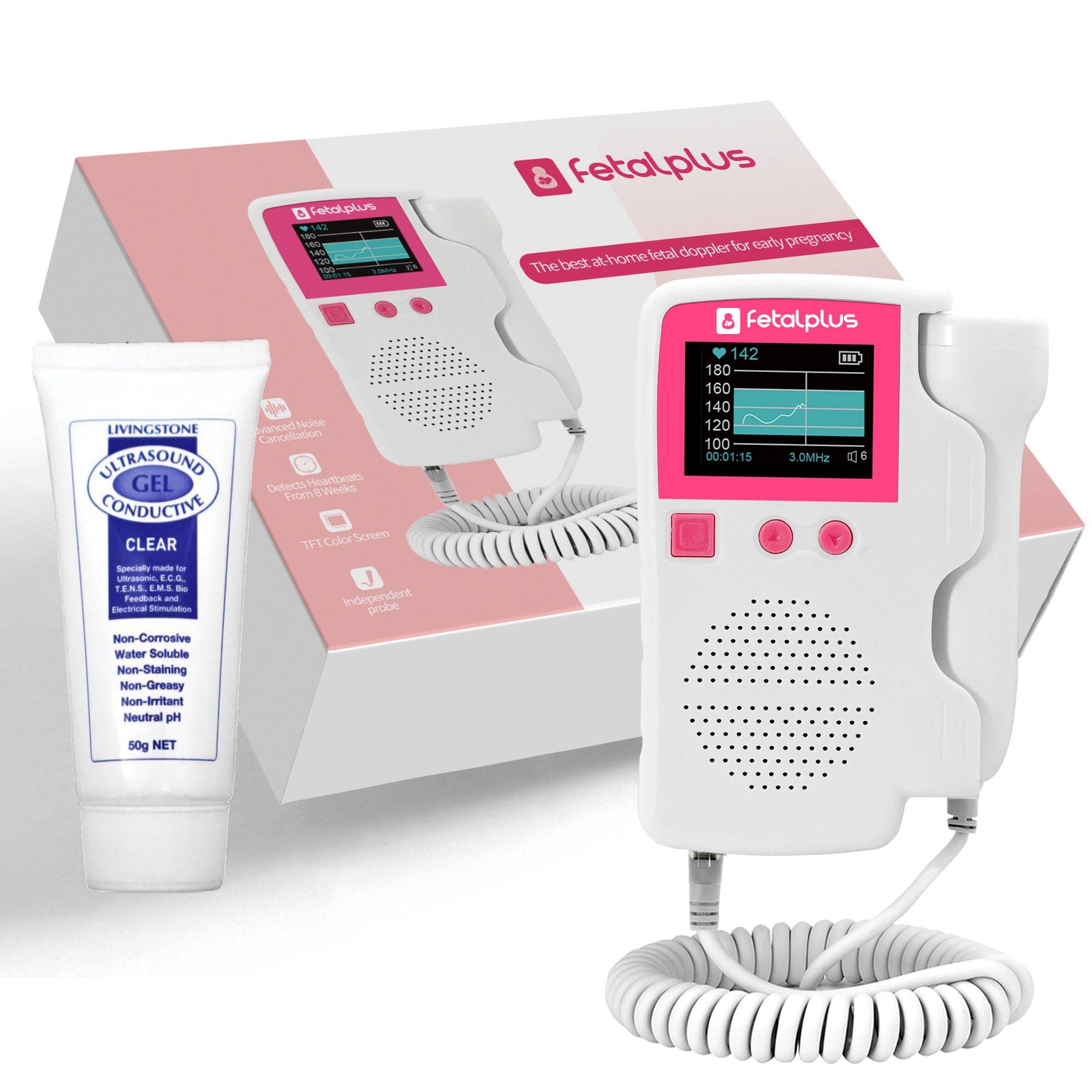
What's included
-1 x Fetalplus At-home Fetal Doppler
-1 x Ultrasound Gel 50g Tube
-1 x User Manual
*AA Batteries are not included